

Fairmount Park, Philadelphia
Philadelphia’s Grand Urban Escape
In a city known for revolution, resilience, and reinvention, Fairmount Park stands as Philadelphia’s great green masterpiece — a landscape where nature, history, architecture, and culture intertwine. Stretching along the Schuylkill River and weaving through neighborhoods that helped shape America’s story, Fairmount Park is more than a park. It is Philadelphia’s outdoor museum, civic sanctuary, and cultural stage.
Whether you’re visiting the city for the first time or rediscovering it as a local, Fairmount Park offers something rare among American urban spaces: scale, depth, and layered storytelling. From colonial estates and Civil War encampments to world-class museums and legendary regattas, this park preserves the past while energizing the present.
Fairmount Park deserves a central place in your Philadelphia journey.
Fairmount Park’s Impact on Philadelphia’s History
Philadelphia has always balanced industry and ideals. Fairmount Park reflects that tension — and resolution.
Industrial Era Protection: The park preserved clean water during a time of rapid industrial growth.
Civil War Presence: Portions of the park served as encampments for Union troops.
Centennial Celebration: The nearby Centennial Exposition — America’s first World’s Fair — transformed adjacent parkland into an international showcase of innovation.
Cultural Expansion: The construction of the Philadelphia Museum of Art anchored the park as a cultural corridor.
Fairmount Park didn’t simply sit alongside history — it hosted it. It protected public health, showcased global achievement, and anchored the city’s architectural ambition.
The result? A park that helped shape Philadelphia into a modern American city.
What Makes Fairmount Park Special?
Fairmount Park is one of the largest urban park systems in the United States, encompassing more than 2,000 acres within the city limits and forming the core of a much larger Philadelphia Parks & Recreation system. But size alone doesn’t define it.
What truly sets Fairmount Park apart is its origin story.
In the early 19th century, Philadelphia faced a crisis. Industrialization along the Schuylkill River threatened the city’s drinking water supply. To protect it, civic leaders preserved the land surrounding the river — not just for recreation, but for public health. This decision created a park before “urban park planning” was even a national movement.
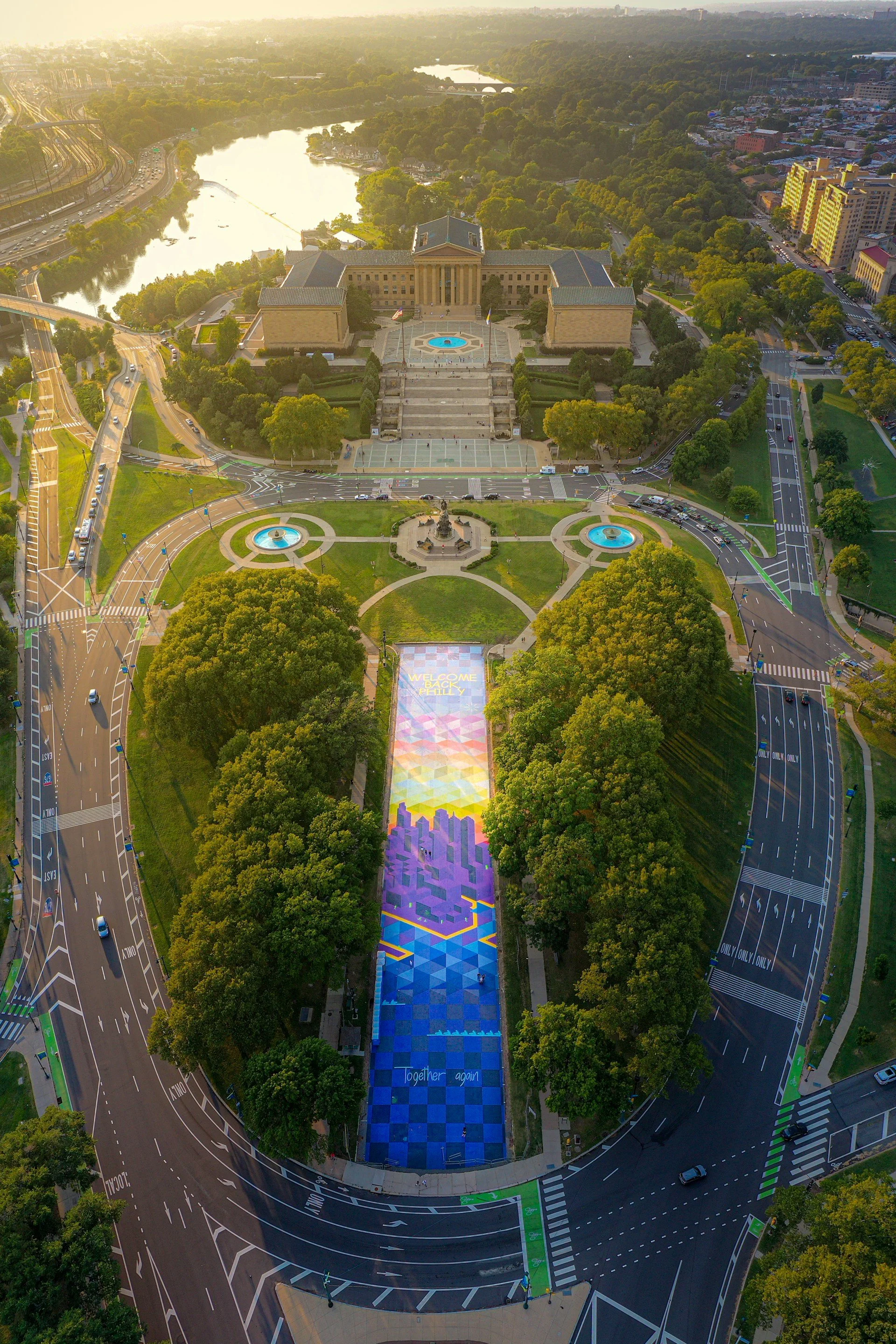
At its heart lies the historic Fairmount Water Works, once one of the most advanced water-pumping stations in the world. Built in the early 1800s, it was both functional infrastructure and architectural showpiece — a neoclassical landmark symbolizing Philadelphia’s innovation.
Fairmount Park is special because it was born from necessity, not luxury. It was designed to serve the public good — and it still does.
Chi Liu/Unsplash
Many cities boast impressive green spaces — from Central Park in New York to Golden Gate Park in California.
But Fairmount Park is different.
1. It Preserves Historic Mansions - Scattered throughout the park are preserved 18th- and 19th-century estates — physical reminders of colonial and early American life.
2. It’s a River Park - Unlike many grid-designed urban parks, Fairmount is shaped by the Schuylkill River. Its topography — hills, plateaus, and wooded ravines — creates natural drama rarely found in flatter city parks.
3. It’s Deeply Integrated with Culture - Within and bordering the park are institutions like the Please Touch Museum and the world-renowned Philadelphia Museum of Art. It blends wilderness with world-class art.
4. It Feels Wild - In sections like the Wissahickon Valley, part of the larger Fairmount Park system, you can hike through forested trails that feel miles away from the city — even though downtown skyline views are just minutes away.
Fairmount Park isn’t manicured perfection. It’s textured, layered, and organic.
Its Influence on Other Parks
Fairmount Park’s preservation of land for public health and recreation influenced later urban park planning across the country. Its integration of environmental protection, architecture, and open space helped define the concept of parks as essential civic infrastructure.
Long before sustainability became a buzzword, Fairmount Park demonstrated that urban planning and environmental stewardship could coexist.
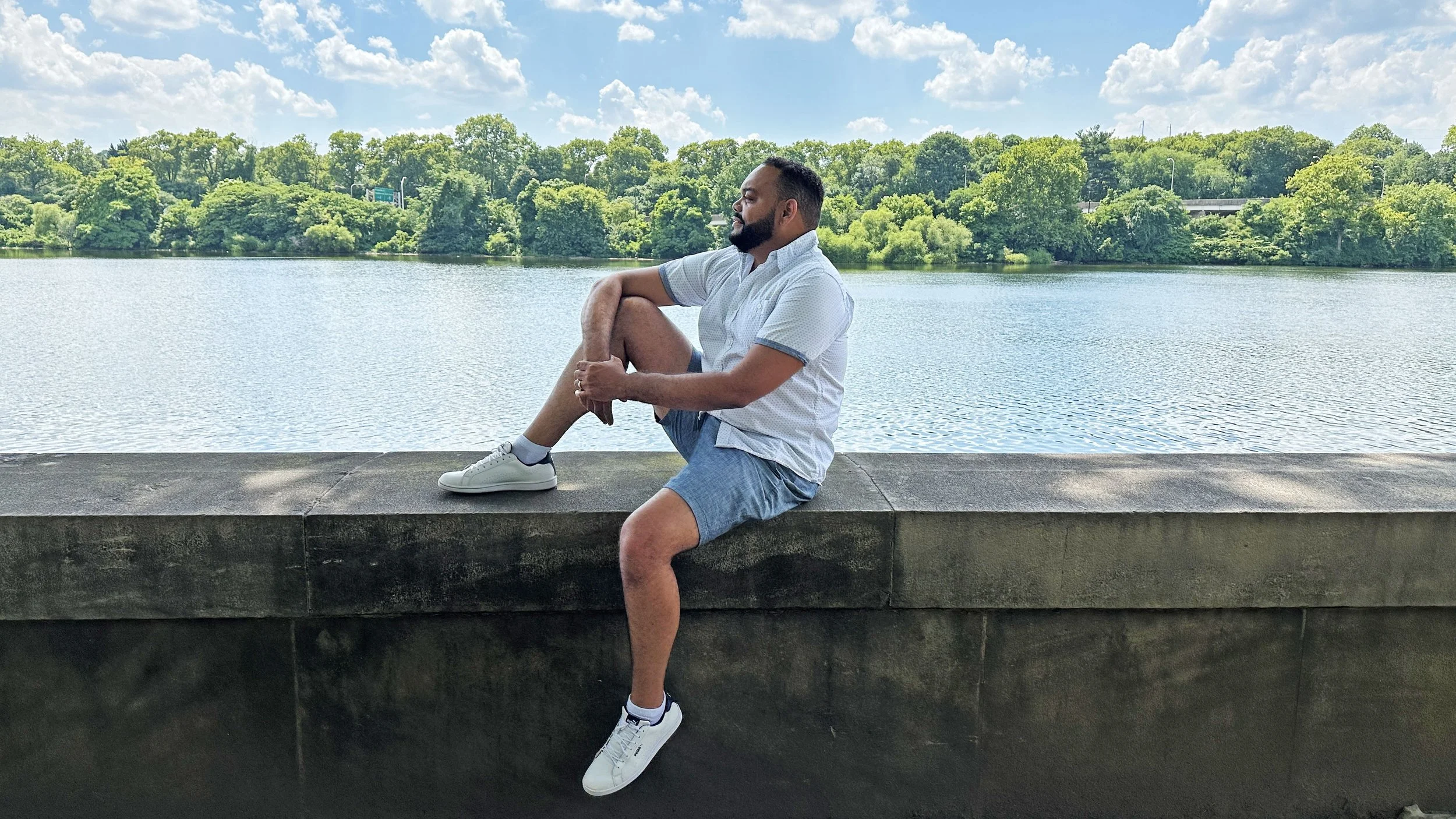
Enjoying the view from the Ellen Phillips Samuel Memorial in Fairmount Park
Why Should Visitors Include Fairmount Park in Their Philadelphia Trip?
When people visit Philadelphia, they often focus on Independence Hall, the Liberty Bell, and Old City.
But Fairmount Park offers something those historic squares cannot: breathing room.
Here’s why it’s worth your time:
Iconic Views: From Belmont Plateau, you’ll find one of the best skyline views in the city.
Boathouse Row: The illuminated row of Victorian boathouses along the river is one of Philadelphia’s most photogenic scenes.
Outdoor Recreation: Jogging trails, cycling paths, kayaking, and picnic areas provide an active escape.
Art + Nature Combination: Few places allow you to pair a museum visit with a riverside walk so seamlessly.
Fairmount Park offers balance — a complement to the city’s dense historical core.
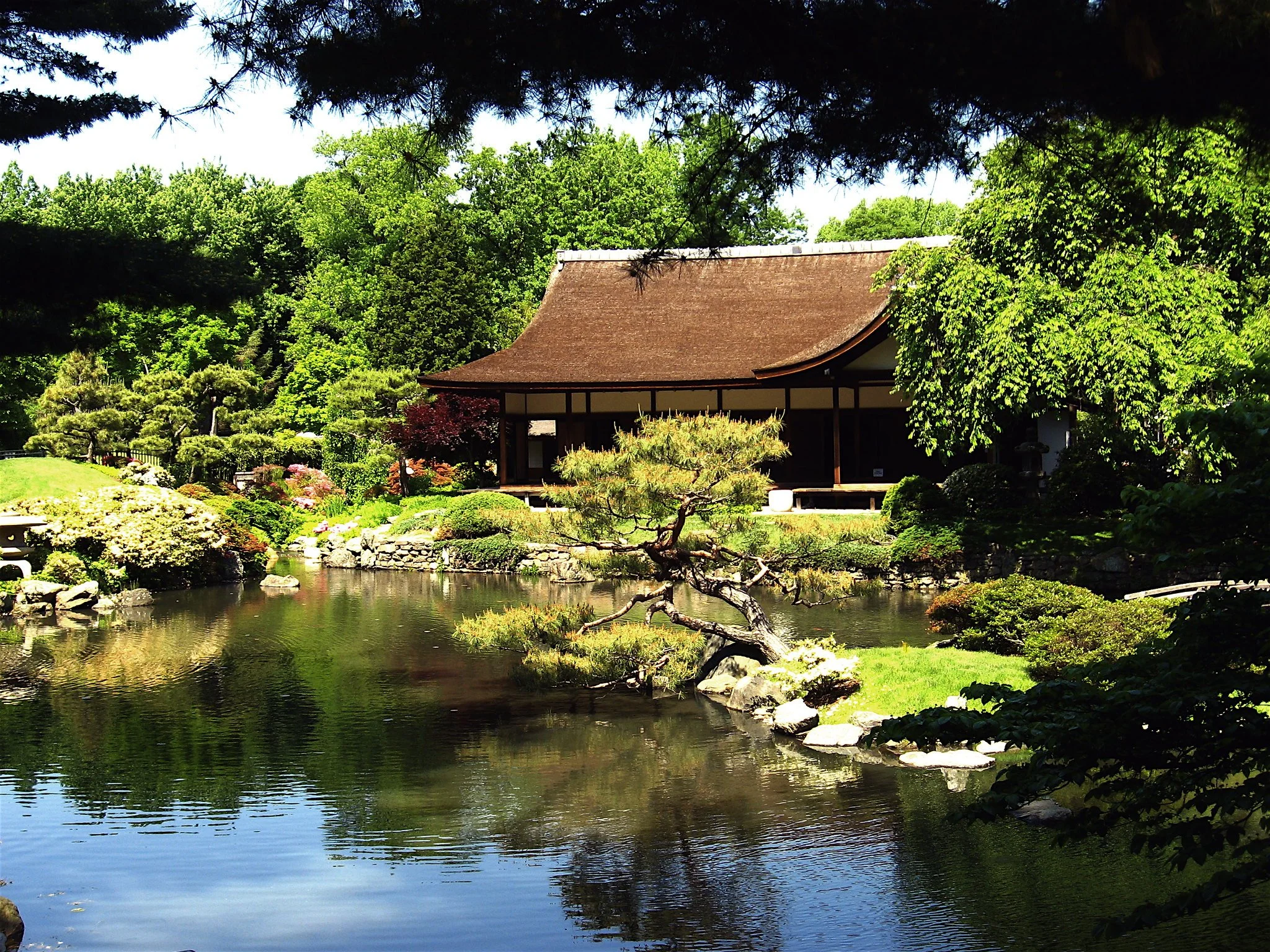
Shofuso Japanese Cultural Center. Eric Dillalogue/Flickr. 2007.
Major Annual Events in Fairmount Park
Fairmount Park isn’t static — it’s alive with activity.
Dad Vail Regatta - One of the largest collegiate rowing events in the United States takes place along the Schuylkill River.
Philadelphia Marathon - Runners pass through scenic sections of the park during one of the city’s most iconic athletic events.
Fourth of July Celebrations - Portions of the park host patriotic festivities as part of Philadelphia’s Independence Day traditions.
Outdoor Festivals & Concerts - From cultural festivals to seasonal programming, Fairmount Park remains a civic gathering space year-round.
The park continues to function as Philadelphia’s communal backyard.
Must-Try Destinations & Eateries Around the Park
After exploring, refuel at nearby favorites:
Parks on Tap (Seasonal Pop-Up) - A traveling beer garden experience that activates different sections of the park.
The Water Works Restaurant Area - While formal dining operations have changed over time, the setting remains iconic for waterfront views.
East Fairmount Park Neighborhood Cafés - Local coffee shops and eateries provide relaxed stops before or after a park stroll.
Visitors can also venture toward Center City for Philadelphia staples — cheesesteaks, soft pretzels, and neighborhood taverns — all within easy reach of the park.
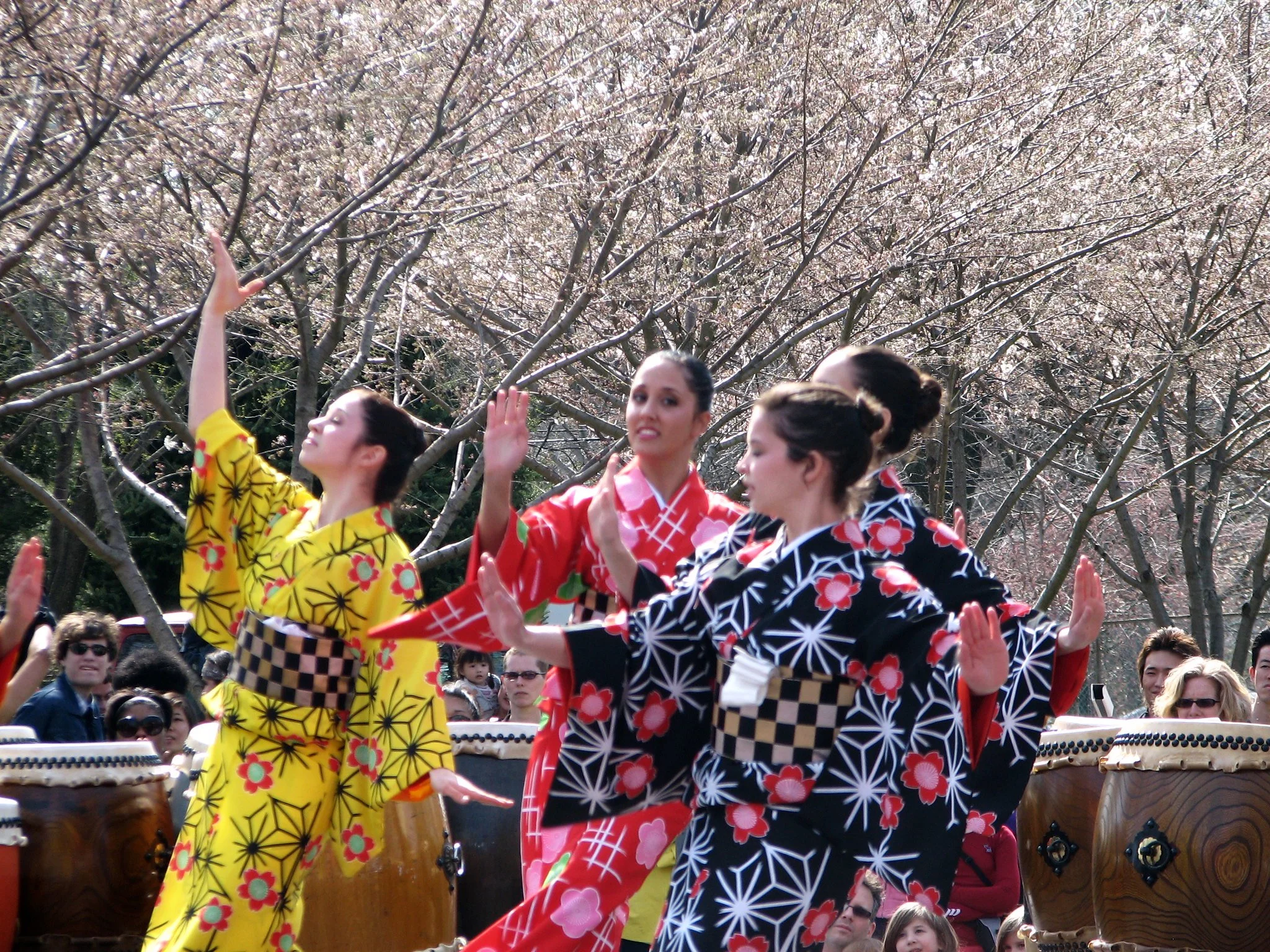
Subaru Cherry Blossom Festival. Chris In Philly/Flickr. 2009.
A Park That Reflects Philadelphia Itself
Fairmount Park is not polished in the way some parks are. It’s not ornamental alone. It is practical, historic, ecological, and cultural — much like Philadelphia itself.
It preserves water. It preserves memory. It preserves space. And in doing so, it preserves balance in a city defined by ambition.
When you walk its trails, watch rowers glide across the Schuylkill, or stand before the grand steps of the Philadelphia Museum of Art overlooking the skyline, you’re experiencing more than scenery.
You’re experiencing a park born from purpose — and sustained by community.
So the next time you visit Philadelphia, go beyond the cobblestone streets of Old City. Follow the river. Climb the plateau. Watch the sunset over Boathouse Row.
Fairmount Park is waiting.